
Wellness Matters: Supporting Social & Emotional Health in Early Childhood
A child’s well-being goes far beyond physical health. Social and emotional wellness plays a vital role in how children learn, grow, and build relationships. Research shows that children who feel emotionally supported are often happier, more motivated to learn, more engaged in classroom activities, and more confident at school. When children experience social or emotional challenges, they may have greater difficulty following directions, forming friendships, and fully participating in learning experiences.
At our centers, we believe nurturing children’s emotional health is just as important as supporting their academic growth. Creating warm, caring relationships helps children feel safe, valued, and ready to explore the world around them. These positive interactions also serve as a model for our practicum and clinical students, who learn firsthand how responsive, relationship-based teaching supports children’s development.
Providing a warm and responsive learning environment is a core component of both Texas Rising Star and NAEYC accreditation standards. By prioritizing social and emotional wellness, we are not only supporting children’s current success but also building a strong foundation for lifelong learning and well-being.
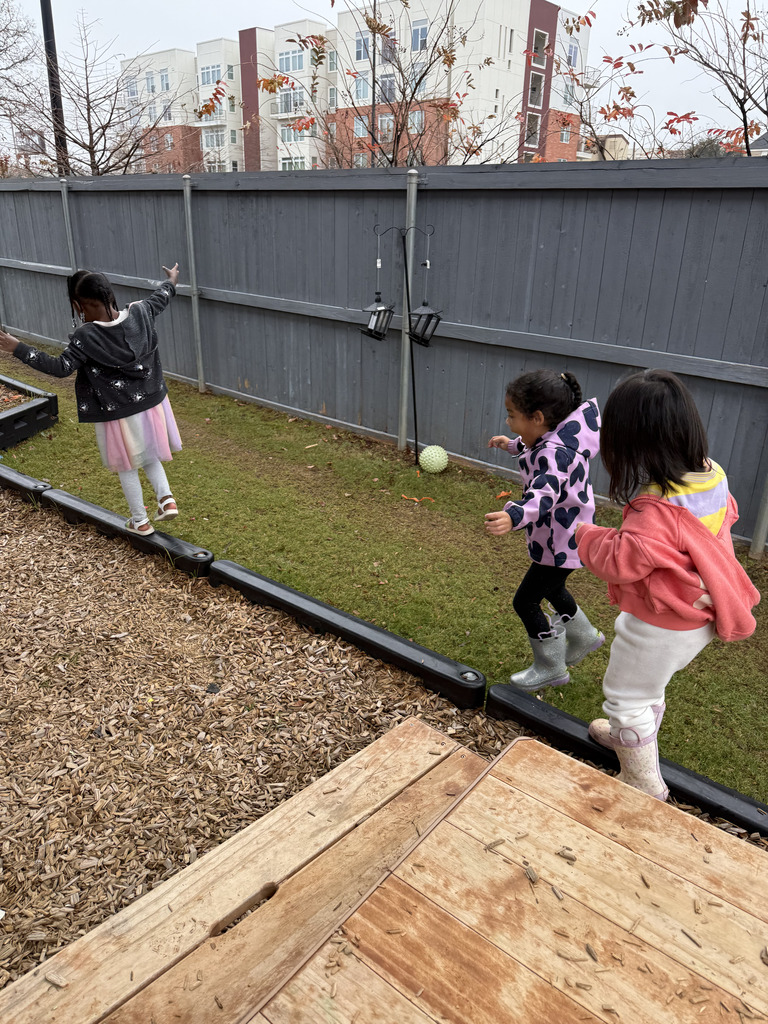
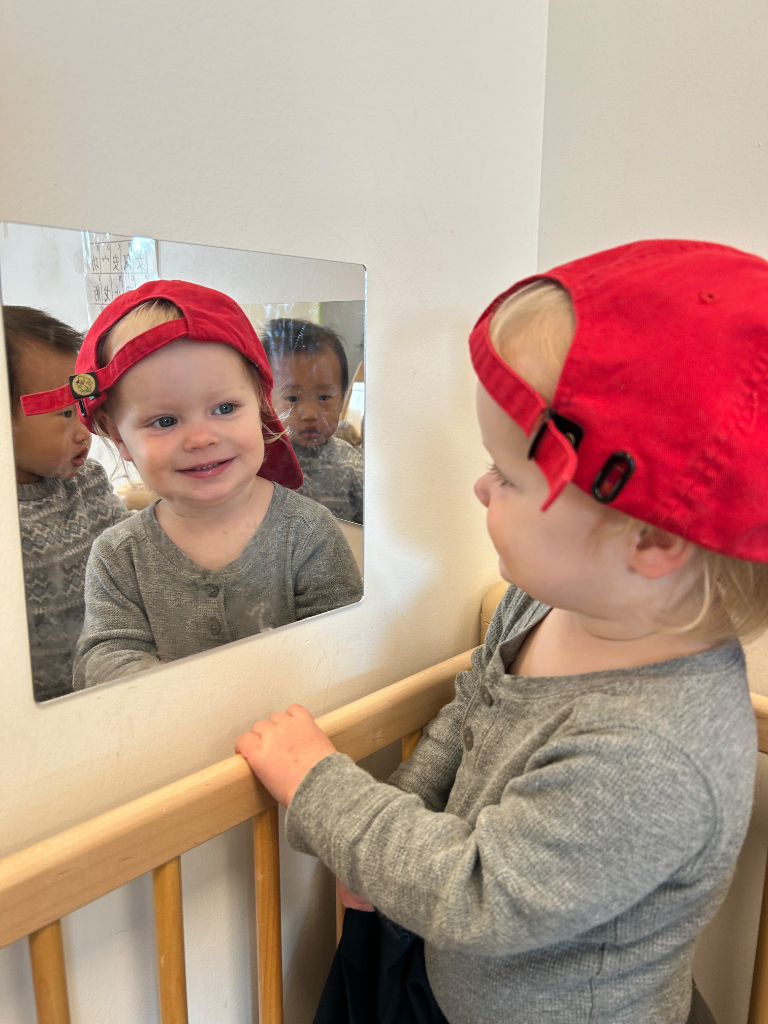
The Power of Warm Relationships
Warmth and affection from caring adults—especially on challenging days—are essential for children’s well-being. When teachers offer kindness, patience, and encouragement, children learn how to treat others with respect and develop strong social skills. These positive interactions also help children build secure relationships and practice using gentle hands, kind words, and cooperative behaviors.
Building Respect and Connection
Showing respect is a meaningful way adults strengthen relationships with children. When children feel heard and understood, they gain confidence and develop a stronger sense of belonging. Our teachers support this by:
- Listening attentively and responding thoughtfully to children’s ideas
- Helping children name and understand their feelings
- Spending one-on-one time through reading, games, and meaningful conversations
Teaching Social Skills Every Day
Helping children develop social and emotional skills is at the heart of quality early childhood education. Our educators intentionally support this growth by:
- Using books and stories to explore emotions and friendships
- Planning activities that encourage cooperation and problem-solving
- Modeling positive behaviors
- Offering encouragement and specific praise
- Coaching children through real-life social situations
Adapted from Ho, J. & Funk, S. (2018). Promoting Young Children’s Social and Emotional Health. Young Children (73)1.
Wellness Tips for Families
Families play an important role in supporting children’s social and emotional wellness at home. Here are a few simple ways to help build strong emotional foundations:
- Talk about feelings: Help your child name emotions such as happy, frustrated, excited, or sad. This builds emotional awareness and communication skills.
- Practice routines: Consistent daily routines help children feel secure and understand what to expect.
- Model calm behavior: Children learn by watching adults. Showing patience and problem-solving skills teaches children how to handle challenges.
- Spend quality time together: Even short moments of focused attention—reading a book, talking during meals, or playing together—strengthen emotional connections.
- Encourage problem-solving: Support your child in working through small conflicts by guiding them to use words and peaceful solutions.
Together, families and teachers create a strong partnership that supports children’s overall wellness and lifelong success.